
I'm All Out of Spoons and How Spoons Impacts Nervous System Regulation
Updated: Dec 3, 2025
Have you ever woken up and felt like there is too much to do, and the things you are able to do with take up all of your energy? Do you feel like no one understands when you don't have the energy to do something like reply to a text from 3 days ago, to take a shower, to do the dishes, to go out and socialize with your best friend? It is like everything is too much.
Let me start off by saying that you aren't lazy, wrong, or broken. I can't count how many times I have had a client come in asking me to "fix" them. I can't and I won't fix you because you aren't broken. We may just need to some help in healing.
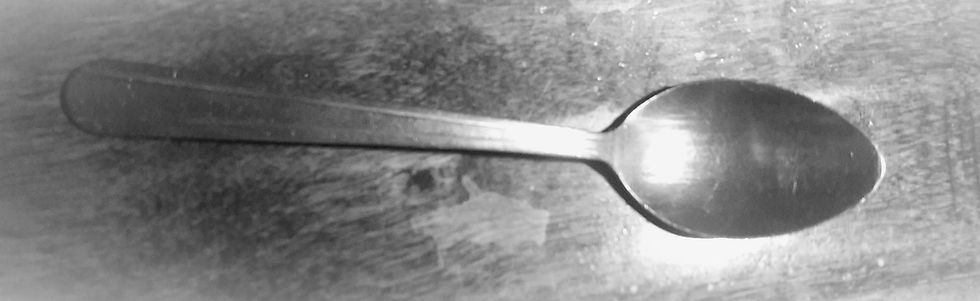
So, why am I talking about spoons? What does that have to do with anything? When I refer to spoons, it is referring to the subjective energy units we have a for a day and how our nervous system responds to it.
Spoon Theory is a powerful way to illustrate what it feels like dealing with chronic stress, chronic illness, trauma, or other mental health challenges that make an impact on how much energy you have for the day and what you have the capacity to endue on a given day. It is the overall energy units that your nervous system says you are able to use that day.
What is Spoon Theory?
Spoon Theory was originated by Christine Miserandino to explain what it is like to live with chronic illnesses such as her own personal experience with Lupus. To read her story, click here. Spoons are the metaphor that stand for energy, something that those experiencing chronic illnesses, pain, or fatigue tend to start with a lower number of spoons than other people do. It's something invisible that many other people cannot see and yet you live with it every day and may hear things like "why don't you just [insert the action that they think is easy]?"
Most people wake up with a much larger allotment of spoons than those who struggle. Many people can relate and understand to how when someone is depressed, that getting out of bed takes all their effort and may take hours to convince themselves to get up. That usually means that they don't have the spoons to get out of bed.
I invite you to take a mental journey with me. Tomorrow, you wake up sick, you're feeling "off" and you notice your body feeling weighed down and you just don't want to do anything, but there are obligations that you need to get done. This is not your typical morning. You need to get dressed, your kids need to get dressed and packed for school, you have to make a phone call to schedule the check-up and dealing with the noise of the TV and your kids screaming they don't want to go to school just feels like too much to handle especially with your body fighting the illness you have less capacity to deal with everything else. Now I am going to assign energy units per task (these will vary per person and per day):
Get dressed = 2 spoons
Getting the kids dressed = 4 spoons
Packing the kids' bags for school = 1 spoon
Make the phone call to schedule a check-up = 2 spoons
Drop the kids off at school = 5 spoons.
That equals 14 spoons, but the problem is you woke up with only 12 spoons for the entire day because you feel so sick. You suddenly have to make choices of what you are going to do because if you overextend yourself and do it all, you may start with 10 spoons tomorrow from overusing your spoons.
This is why I have seen some clients come into session in their pajamas and I automatically assume that they are struggling with their spoon levels. So how do you make your budget? When those that aren't experiencing illness and fatigue understand the energy units it becomes incredibly helpful to those that experience less spoons. Those that do not understand tend to unintentionally shame those with lesser spoons for having lesser spoons, which actually decreases the spoon capacity if they internalize that message.
How Do I Know if I Start with Less Spoons?
In a nutshell, you can probably feel it. However, the most common ways to start with less spoons are physically, mentally, emotionally, environmentally, situationally, trauma related, and/or the nervous system is dysregulated:
Autoimmune disorders and chronic conditions like migraines can drain your body’s energy before the day even begins. Your nervous system is already working overtime just to keep things stable.
Poor or inadequate sleep has a massive impact on how many spoons you start with.
If you overexert yourself the day before or don’t give yourself enough downtime, you may wake up already depleted.
Sensory overload also known as overstimulation can affect people with ADHD, Autism, or Sensory Processing Disorder. Too much noise, bright lights, clutter, or touch sensitivity can quickly burn through your energy reserves.
Low blood sugar, skipped meals, or not getting the right nutrition can lead to a noticeable energy crash. Your body doesn't have the fuel it needs to function well.
Anxiety and panic attacks are huge energy drains. Even when you're not having an active episode, the mental tension they create takes a toll. The same goes for depression, which can make basic tasks feel like climbing a mountain.
Rumination, and unprocessed grief or trauma often live quietly in the background, constantly pulling at your mental resources. You may not even realize how much energy these internal stressors consume.
Relational stress, conflict, or even feeling lonely can significantly affect your emotional energy. Interpersonal dynamics matter more than we often admit.
Environments that are loud, cluttered, smelly, or otherwise overstimulating can drain spoons quickly, especially if you're sensitive to sensory input. This includes everything from chaotic homes to noisy workplaces.
Chronic stress, burnout, and financial pressure wear down your reserves little by little. These aren't just external stressors, they live in your nervous system long after the moment passes.
Weather changes and seasonal shifts can throw your body and mind off. For some, even just a gray sky can lower energy levels.
Having to repeatedly explain or justify your limitations, especially to people who don’t understand, adds invisible labor to your day. It’s draining in a way that’s hard to measure but is deeply felt.
Unpredictable schedules and a lack of routine can make your nervous system feel unsafe. Structure helps you conserve energy, and chaos burns it faster.
Trauma responses like fight, flight, freeze, fawn, or flop don’t just show up in emergencies, they can quietly run in the background all day. That’s exhausting to carry.
Emotional flashbacks, shame spirals, and guilt over not doing “enough” are internal battles that chip away at your capacity. These responses often come from living in long-term survival mode.
The fear of being misunderstood or invalidated, especially when you’re doing your best, creates emotional exhaustion. And internalized ableism (the belief that you’re only worthy when you’re productive) adds another layer of fatigue.
That's quite the list, isn't it? The more you combine items from this list, the more it impacts your spoon levels.
*If you are reading this, there is a good chance you're starting to "lose your spoons" or capacity to keep reading this. If that is the case it's okay, take a break and come back when you are ready.
So, What Does This Have to do With the Nervous System?
Everything relates to the nervous system in some way.
Your nervous system is like the command center (remember Power Rangers?) for safety and survival. It is always on the lookout for real or perceived threats and will automatically respond to help keep you safe. What's your go-to response if you see a bear? Do you fight it physically or with your voice? Do you take flight and try to outrun the bear? Do you freeze by "playing dead/possum"? Do you fawn by giving the bear what he wants (ahh, not you I mean the food at camp!)? Do you flop/faint by collapsing and are no longer able to keep conscious? If your nervous system is working in overtime and constantly in one of these states just trying to keep you safe, it's like it is running all the time without resting. Like muscles they need time to rest and regroup so it can react to big emergencies. It's like running around with a heavy fire extinguisher putting a fire out that may not even be there, and it is exhausting.
What Does it Look Like to Not be in Constant Survival Mode?
It looks like being regulated, rested, and able to respond when you need to survive. You are able to be in the state a flow, in the moment, feel calm, and able to respond with intention instead of automatically reacting. You will feel more energy to have connection with others, feel more curious, and more creative. Your nervous system isn't constantly looking for danger. In the end, you have more spoons!
Why Spoons Theory Matters in Therapy
Do you recognize yourself in either of these?
You're asking yourself "Why can't I just do it, everyone else can do it so easily".
You're healing from trauma, living with anxiety or depression, and you notice that you are using more spoons to do the same tasks as others around you.
Therapy can help you build awareness of your own nervous system, learn skills to help you regulate, and develop a strategy that allows you to honor the spoons you do have without the shame attached.
Ways to Practically Save or Reclaim Spoons When I am Running Low?
Ground yourself. When your spoons are running low, grounding techniques can help bring you back to the present. Try the 5-4-3-2-1 method, splash cold water on your face, or eat something sour, it can jolt your system into calm.
Breathe with intention. Slow, deep belly breathing can reset your nervous system. Try box breathing (inhale 4, hold 4, exhale 4, hold 4) or progressive breathing patterns that increases the count. It may sound small, but it helps more than you'd think.
Relax your body. Progressive muscle relaxation can help release tension you didn’t even realize you were holding. A weighted blanket can also help signal to your body that you’re safe enough to rest.
Hum. Yes, hum. It stimulates the vagus nerve and helps regulate your nervous system. It’s weirdly calming, especially when everything feels like too much.
Find safe connection. Spend time with someone who feels like safety to you. You don’t need to talk, just being around someone who sees you can replenish your energy.
Let yourself cry. Seriously, if you need to cry, cry. It’s a release, not a weakness. It takes a load off your system and frees up space emotionally.
Simplify your list. Shorten that to-do list. Cross things off that can wait. You don’t have to earn rest; your body is already telling you it needs it.
Permission granted. Give yourself permission to not finish everything. You are not a machine. Resting or doing less doesn’t mean you failed.
Accept help. Ask for help or accept it when it’s offered, even if it’s uncomfortable. You don’t have to carry it all alone.
Say no. Protect your energy. Say no more often, especially to people or situations that leave you drained. No is a full sentence.
Be kind to yourself. Speak to yourself the way you’d speak to someone you love. Your inner dialogue matters, especially on low-spoon days.
Rest is productive. Reframe rest, it’s not a reward, it’s maintenance. You’re not lazy for needing it, you’re human.
Make life easier. Use paper plates when dishes feel like too much. It’s not wasteful, it’s survival. Your energy matters more.
Delegate. If you can outsource, do it. Hire help, ask your partner to schedule the appointment, or trade tasks with a friend.
Use timers. Set a timer for small tasks or to remind you to take breaks. It adds structure without pressure.
Schedule rest. Literally block out rest on your calendar like a real appointment. Treat it with the same importance you’d give to any obligation.
Reduce sensory input. Dim the lights, lower the volume, declutter one corner. Lowering your sensory load helps your nervous system decompress.
Talk about spoons. Share Spoon Theory with people close to you. When others understand how your energy works, it gets easier to set boundaries.
Be honest about your energy. Voice your “spoon count” for the day. It’s okay to say, “I’m running low today.” You don’t owe anyone performance.
Practice boundaries. Boundaries protect your spoons. They're not about pushing people away; they’re about protecting your capacity to connect.
No guilt. Let go of the guilt around canceled plans. You’re not letting anyone down by taking care of yourself.
No explanations needed. “No” is a full sentence. You’re allowed to set a limit without offering a whole backstory.
Create a signal. If you’re too tired to explain yourself, use a signal with your partner or friend to indicate low-spoon mode. It’s a quiet way to ask for grace.
Protecting how many spoons you have is not selfishness, it is self-care. Your energy might have a limit on a given day, but your self-worth is not limited. Rest is not a reward, it is self-care. Reclaiming spoons means reclaiming your voice and your ability to live life on your terms and taking back what's yours.



Comments