
After Jimmy: Understanding Suicide Contagion and Hope
Content Warning
This article discusses suicide, suicidal thoughts, and loss. Please prioritize your safety and well-being while reading. If you are in immediate danger or experiencing thoughts of harming yourself, call or text 988 in the United States to reach the Suicide & Crisis Lifeline. If you are outside the U.S., local crisis lines can be found through international suicide prevention organizations.
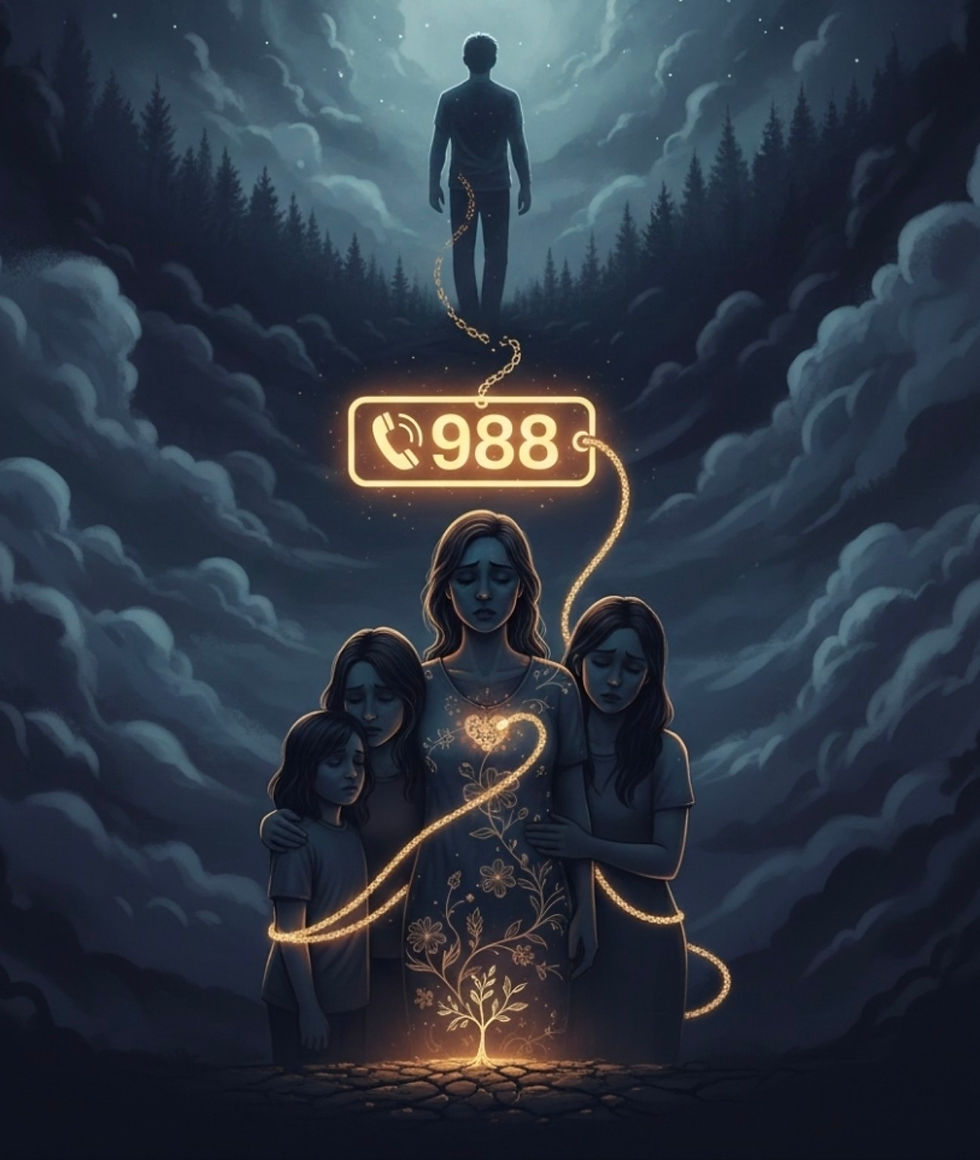
Why Stories Like After Jimmy Matter
The film After Jimmy is not an easy watch. It is not meant to be. It is a story rooted in grief, rupture, and the complicated aftermath that follows suicide. Rather than focusing on the act itself, the film centers on what happens after. After the shock. After the unanswered questions. After the silence that often fills the space where someone once existed.
For many viewers, After Jimmy brings up discomfort. For others, it feels deeply familiar. This is precisely why conversations around suicide, media portrayal, and hope matter so much. Especially for individuals already navigating chronic stress, mental health challenges, or medical conditions like PCOS that increase vulnerability to emotional overwhelm.
This blog explores the core message of After Jimmy, explains suicide contagion in an accessible and grounded way, and focuses on something essential. Hope is not passive. Hope is built through connection, prevention, and compassionate response.
What After Jimmy Gets Right
One of the most powerful aspects of After Jimmy is that it does not romanticize suicide. It does not glorify suffering or frame death as a solution. Instead, it focuses on the ripple effects left behind.
The film highlights theme many survivors of suicide loss recognize:
Confusion and unanswered questions
Guilt and self-blame
The urge to rewrite the past
The silence that surrounds suicide in families and communities
By centering the people left behind, After Jimmy reinforces an important truth. Suicide does not end pain. It transfers it.
This is a difficult reality, but it is also a protective one. When media portrays suicide through the lens of loss, connection, and consequence rather than spectacle, it reduces harm and opens space for prevention.
Understanding Suicide Contagion
Suicide contagion refers to the increased risk of suicidal behavior following exposure to suicide, particularly when it is portrayed in ways that are graphic, repetitive, or romanticized. This risk is higher when the individual exposed already feels isolated, hopeless, or overwhelmed.
Contagion does not mean that talking about suicide causes it. Silence is far more dangerous. What matters is how suicide is discussed, framed, and contextualized.
Research shows that protective storytelling includes:
Emphasizing recovery and help-seeking
Avoiding graphic detail
Highlighting alternatives and coping
Showing the impact on loved ones
Reinforcing that support is available
After Jimmy aligns with many of these protective factors. It invites reflection rather than imitation. It encourages empathy rather than escape.
PCOS, Chronic Stress, and Emotional Vulnerability
For individuals with PCOS, mental health conversations are never separate from the body. Hormonal shifts, inflammation, insulin resistance, fertility stress, weight stigma, and medical dismissal all contribute to elevated rates of anxiety, depression, and trauma responses.
Living in a body that feels unpredictable can erode trust in oneself. Over time, this may increase vulnerability to hopelessness, especially during periods of compounded stress such as grief, relationship strain, or identity shifts.
When suicide stories intersect with chronic illness experiences, they can activate:
A sense of being a burden
Fear of a future defined by symptoms
Exhaustion from constant self-advocacy
Isolation from misunderstood pain
This does not mean people with PCOS are destined for despair. It means that support, validation, and connection matter even more.
Hope Is Not Toxic Positivity
One of the most important takeaways from After Jimmy is that hope is not about pretending everything is okay. Hope is about staying connected even when things are not.
Hope can look like:
Saying “I do not know what to do, but I am here”
Letting someone sit with you in silence
Asking direct questions about safety
Choosing to stay one more day
For people living with PCOS and mental health challenges, hope may feel inaccessible at times. That does not mean it is gone. Often, hope lives in other people when it cannot live inside us.
Prevention Through Connection
Suicide prevention is not only about crisis intervention. It is about everyday connection.
Protective factors include:
Feeling believed and validated
Having at least one safe person
Access to mental health care
Learning emotional regulation skills
Reducing shame around asking for help
Connection does not require perfect words. It requires presence.
If someone in your life is struggling, especially if they live with chronic illness or ongoing stress, asking directly about suicidal thoughts does not plant the idea. It opens a door.
Questions like: “Are you thinking about hurting yourself?” “Have things felt unbearable lately?” “You do not have to carry this alone.”
These are acts of care.
If You Are Struggling Right Now
If After Jimmy stirred something in you, that matters. Your response is valid.
You deserve support even if you cannot articulate why you are hurting. You deserve help even if your pain feels confusing or contradictory. You deserve care even if you believe others have it worse.
Resources available in the United States:
Call or text 988 for the Suicide & Crisis Lifeline
Text HOME to 741741 to reach Crisis Text Line
Contact local emergency services if you are in immediate danger
If you are outside the U.S., international crisis resources are available through suicide prevention organizations in your country.
Reaching out is not a failure. It is a survival skill.
Final Reflections: After the Credits Roll
After Jimmy reminds us that stories have power. They can harm, or they can heal. They can isolate, or they can connect.
For individuals navigating PCOS, mental health struggles, or both, representation that acknowledges complexity without glorification is essential. Pain can coexist with hope. Grief can coexist with prevention. Silence can be replaced with conversation.
If this blog resonates, consider sharing it. Consider checking in on someone. Consider staying.
Hope is not loud. Sometimes, it is simply choosing to remain connected.
Disclaimer
This blog is for educational and informational purposes only and is not a substitute for professional medical, psychological, or psychiatric care. Reading this content does not establish a therapeutic relationship. If you are experiencing suicidal thoughts, emotional distress, or a mental health emergency, please seek immediate support through calling or texting 988 or emergency resources.


Comments