
Understanding Trauma: You Didn’t Ask for This
One of the most important truths about trauma is this: you did not ask for it. No one chooses trauma, and no one deserves it. Trauma isn’t a sign of weakness, and it’s not something you should “just get over.” It’s a real, human response to overwhelming experiences, and it deserves to be understood with empathy and care.
What Is Trauma?
Trauma is not just the event itself, it’s the impact that event leaves on our body, mind, and spirit. Trauma occurs when something overwhelms our ability to cope, leaving us feeling unsafe, helpless, or disconnected.
Some of the more common symptoms of trauma include:
Anxiety or panic attacks
Difficulty sleeping or nightmares
Feeling jumpy or on edge
Emotional numbness or detachment
Difficulty trusting others
Flashbacks or intrusive thoughts
This list is not all-inclusive. Trauma looks different for every person, and symptoms can shift over time.
How Trauma Impacts Life
Trauma doesn’t stay in the past; it lives in the nervous system. That’s why it can show up in daily life in ways that others may not understand. Sometimes trauma looks like irritability, avoidance, or mood swings. Other times it may look like depression, withdrawal, or physical pain without a clear medical explanation.
To make it even more complicated, trauma often mimics other disorders, such as anxiety, depression, ADHD, or even personality disorders. Because of this, people with trauma are often misunderstood, mislabeled, or blamed for their symptoms.
Coping and Masking
Many people with trauma develop coping mechanisms that, on the surface, may look unhealthy, but they often start as attempts to survive or manage overwhelming emotions.
These may include:
Using alcohol or substances
Shopping or spending impulsively
Excessive sleeping
Overworking
Avoiding people or withdrawing
Appearing “jumpy” or hypervigilant
These behaviors aren’t signs of being broken; they are signs of someone trying to find relief from pain.

The Trauma Responses: Fight, Flight, Freeze, Fawn, and Flop/Faint
Our bodies are wired to protect us when we sense danger. With trauma, those survival responses can get stuck “on” or triggered in everyday situations.
Fight: Anger, irritability, or aggression as a way to defend against threat.
Flight: Avoidance, restlessness, or needing to stay busy to escape the feeling of danger.
Freeze: Feeling stuck, numb, or unable to act.
Fawn: People-pleasing or appeasing others to stay safe.
Flop/Faint: Dissociation or shutting down completely.
These are not choices; they are automatic nervous system responses. Recognizing them is the first step toward understanding and healing.
Trauma Isn’t About Blame
Healing from trauma does not mean blaming yourself or minimizing what happened. We would never say trauma was necessary in order to build strength. No one should ever have to go through it. But if you have experienced trauma, there is hope. Resilience, the ability to adapt, heal, and grow, is possible, even in the aftermath of hardship.
A Path Toward Healing
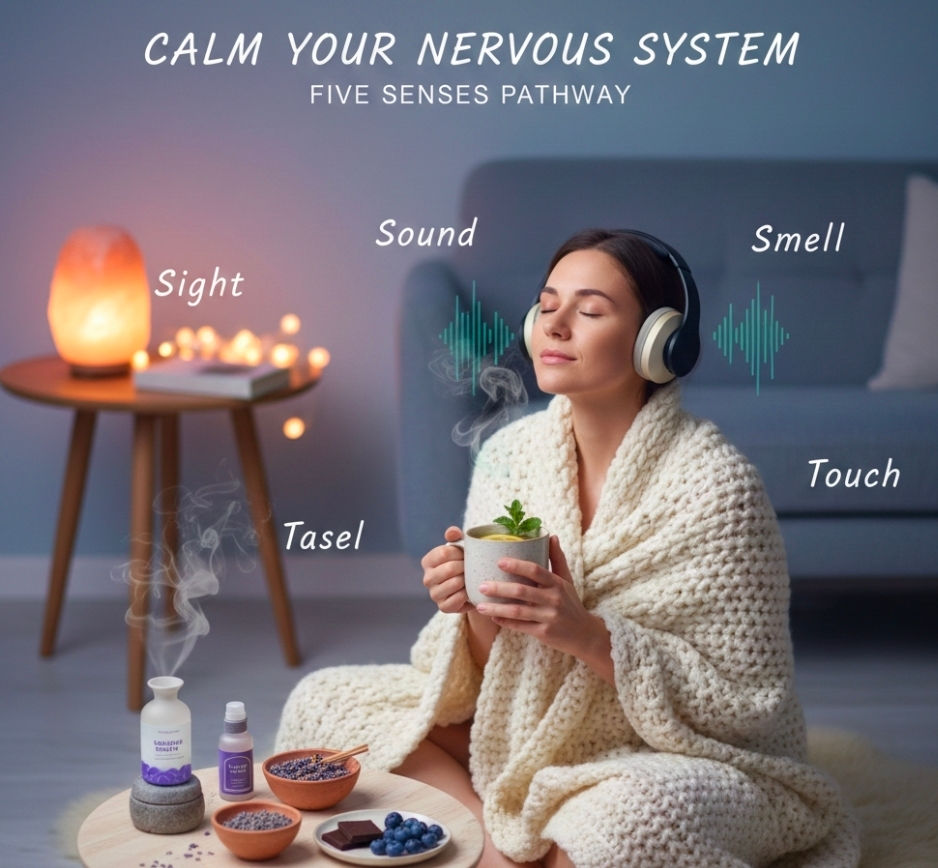
Trauma work is about compassion, not judgment. It’s about learning to regulate the nervous system, gently unpacking painful experiences, and finding new ways to cope. Most importantly, it’s about remembering that you are not alone.
Healing takes time. It’s not linear, and it looks different for everyone. But with support, empathy, and safe connection, many people find that trauma does not define them, it becomes part of their story, not the whole of it.
If you are carrying the weight of trauma, know this: you don’t have to carry it forever, and you don’t have to carry it alone. Healing is possible, and hope is real.


Comments